
Marinating made easy - with vacuum containers
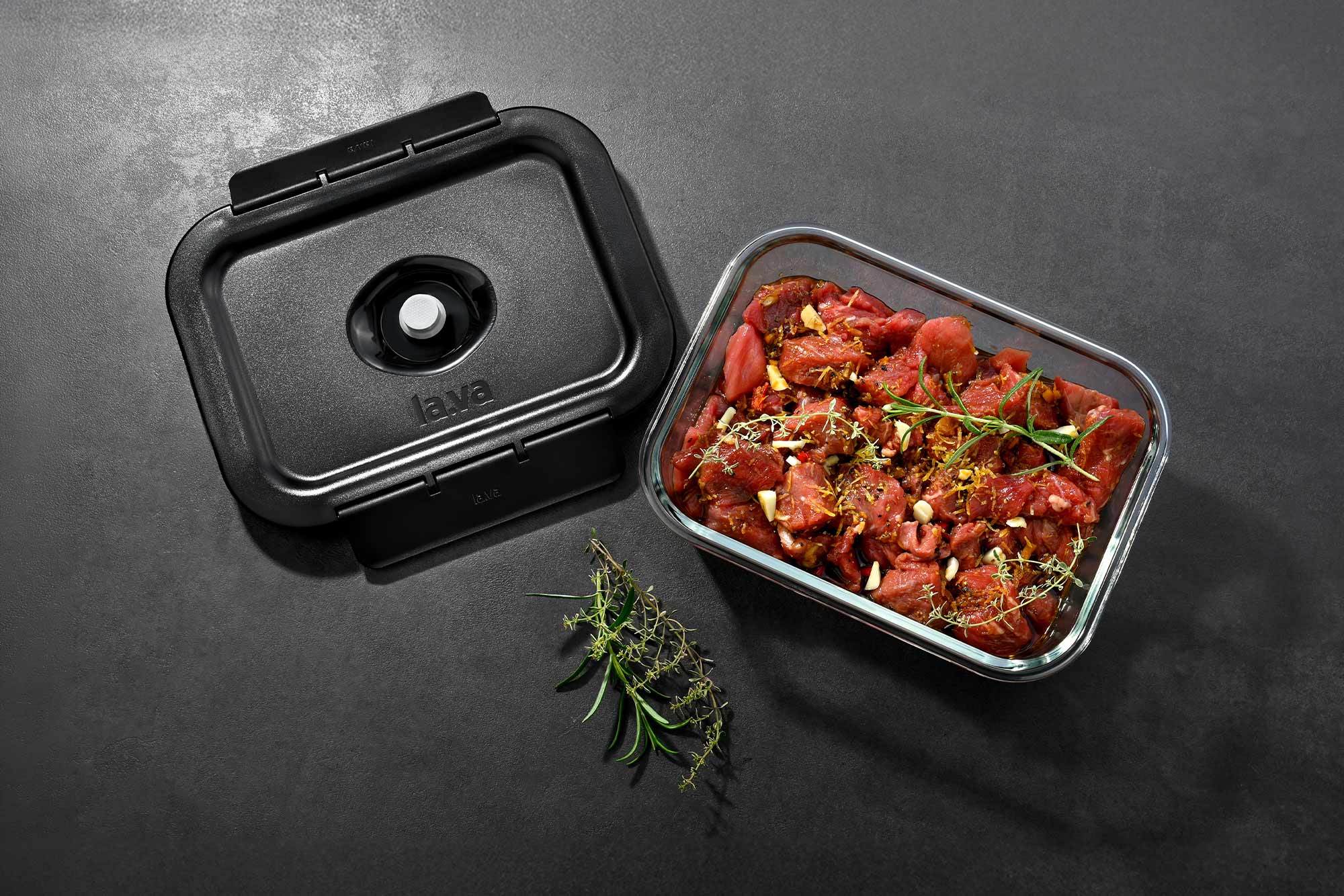
Many meat dishes, barbecue classics and vegetable dishes only taste truly flavourful with the right marinade. The downside is that traditional marinating takes time. Depending on the food and marinade, meat, fish, vegetables or cheese often need to be left to marinate for several hours so that the spices, oil and acid can distribute evenly.
If you don’t want to wait for hours, you can speed up the process considerably: marinating in a vacuum bag or vacuum container ensures that the marinade is distributed particularly evenly over the meat, fish, vegetables or cheese. This often reduces long marinating times to just a few minutes.
What does marinating actually mean?
To marinate food, you place it in a seasoned liquid. The base of the marinade consists of oil and an acidic liquid, such as wine, buttermilk or lemon juice. Fresh or dried herbs and other spices are added. Depending on the type and size of the food being marinated, it takes anywhere from a few hours to several days for the flavour to penetrate the meat.
Marinating steaks, lamb chops, chicken, Sauerbraten or Tafelspitz is particularly popular. However, vegetables, sheep’s cheese, halloumi, tofu and fish also marinate beautifully.
How hours of marinating turn into minutes
With vacuum marinating, the air is removed from the vacuum bag or vacuum container. The vacuum makes it easier for the meat fibres to separate from one another compared to atmospheric pressure. This allows the flavours from added liquids and spices to penetrate the meat more easily, giving it a rich flavour in a shorter time.
This is particularly handy when barbecuing: instead of marinating meat, fish or vegetables the night before, you can often prepare the marinade at the last minute and still achieve a flavourful result.
Marinating in vacuum bags
Marinating in vacuum bags is particularly suitable when food needs to be prepared, refrigerated or transported in a space-saving manner. Meat, fish, vegetables or cheese are placed in a suitable vacuum bag together with the marinade and then gently vacuum-sealed.
Advantages of marinating in a bag
The vacuum bag fits snugly around the food. This ensures that the marinade is distributed evenly around the meat, fish or vegetables. The bag also saves space in the fridge or freezer and is ideal for preparing food for the barbecue or taking it with you.
How does marinating in a vacuum bag work?
Vacuum-sealing liquids such as marinades in a bag isn’t exactly straightforward. However, with the right tips and tricks, you’ll soon become a pro.
First, place the food to be barbecued and the marinade into the bag. Make sure the vacuum bag is filled to no more than about two-thirds of its capacity and that the food is as cold as possible. It is particularly important that the area around the seal remains clean and dry. To help with this, turn the bag opening outwards whilst filling.
Now it’s time to vacuum-seal. The vacuum should be created very gently. If the air is extracted too quickly, the liquid can be drawn upwards and prevent a clean, tight seal.
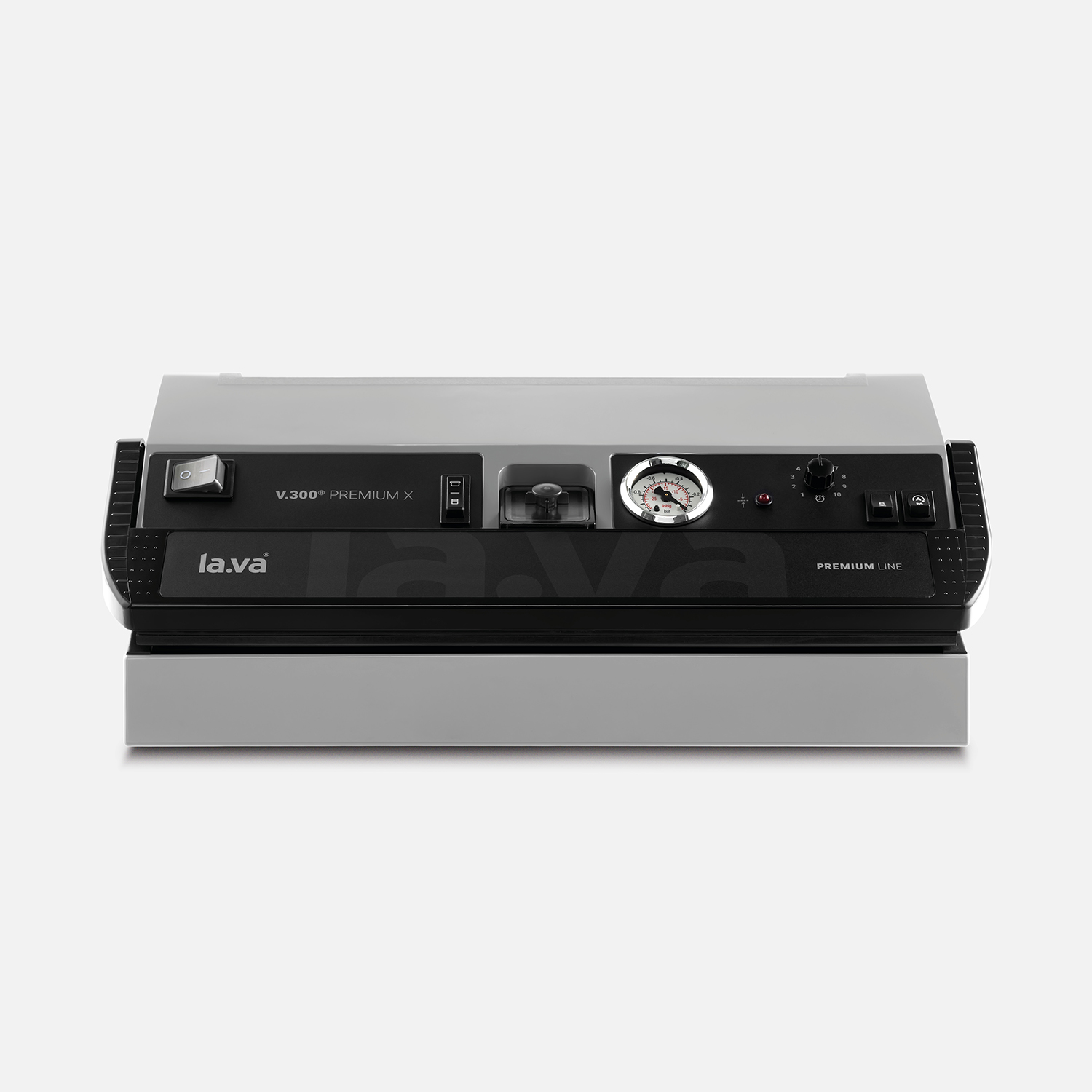
This is precisely why all Lava vacuum sealers from the V.300 Premium X upwards are equipped with pressure regulator L+ as standard. Smaller machines can easily be retrofitted with the pressure regulator L+. This allows the desired vacuum to be set manually from -0.2 bar up to the maximum vacuum. In this way, the air is extracted from the bag in a controlled manner without pulling the liquid upwards. In addition, the bag can be hung over the edge of the table during vacuuming. This keeps the liquid lower down in the bag and ensures a clean seal.
Marinating in a vacuum container
Marinating in a vacuum container is even easier. This method is particularly well suited to very liquid marinades and delicate foods.
Advantages of marinating in a vacuum container
With a vacuum container, there is no need to seal liquid inside the bag. This makes it particularly convenient to use. Marinades can be mixed directly in the container; meat, vegetables, fish or cheese are then added and the container is vacuum-sealed.
Another advantage: the glass container can be reused, is dishwasher-safe and is also suitable for storage in the fridge and freezer.
How does marinating in a vacuum container work?
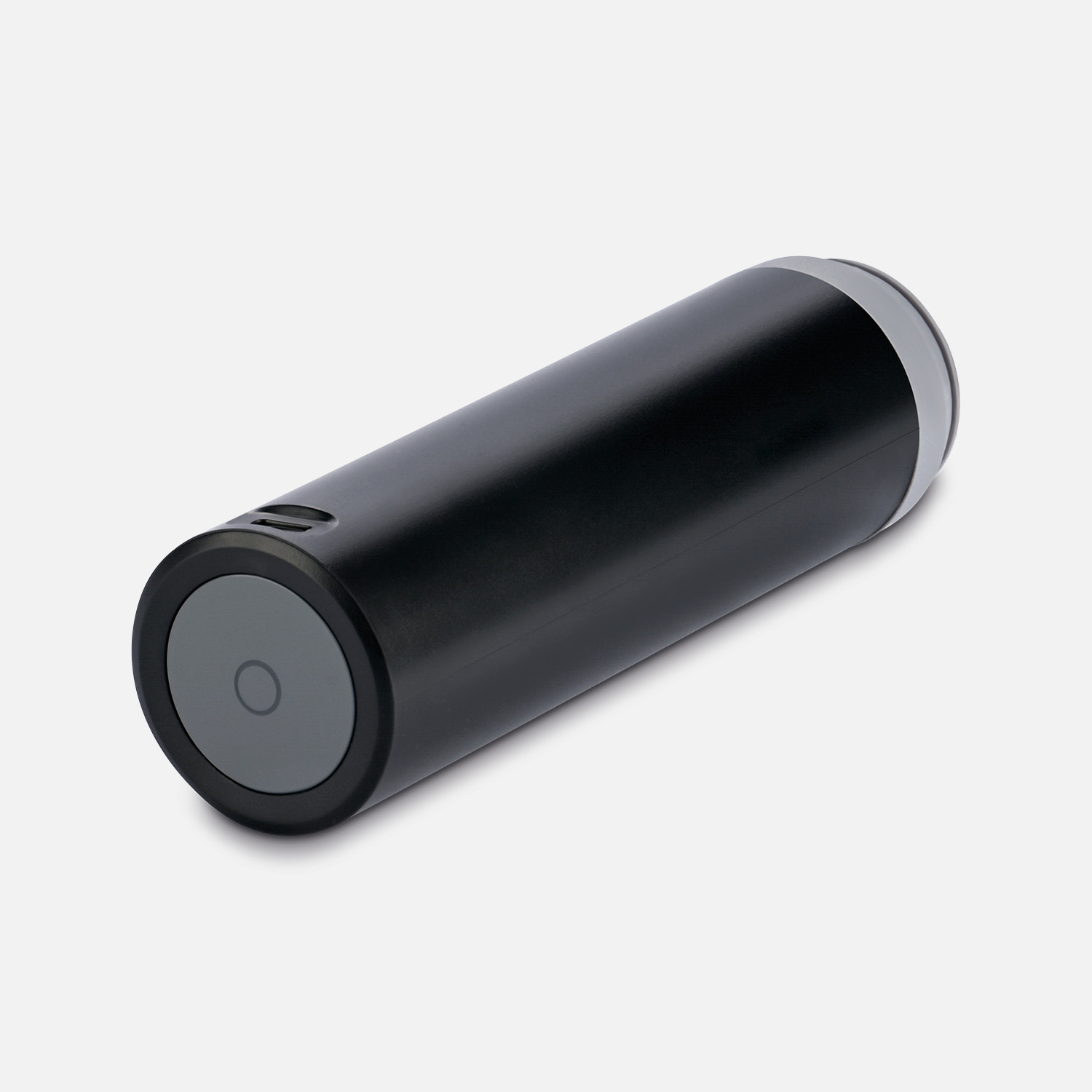
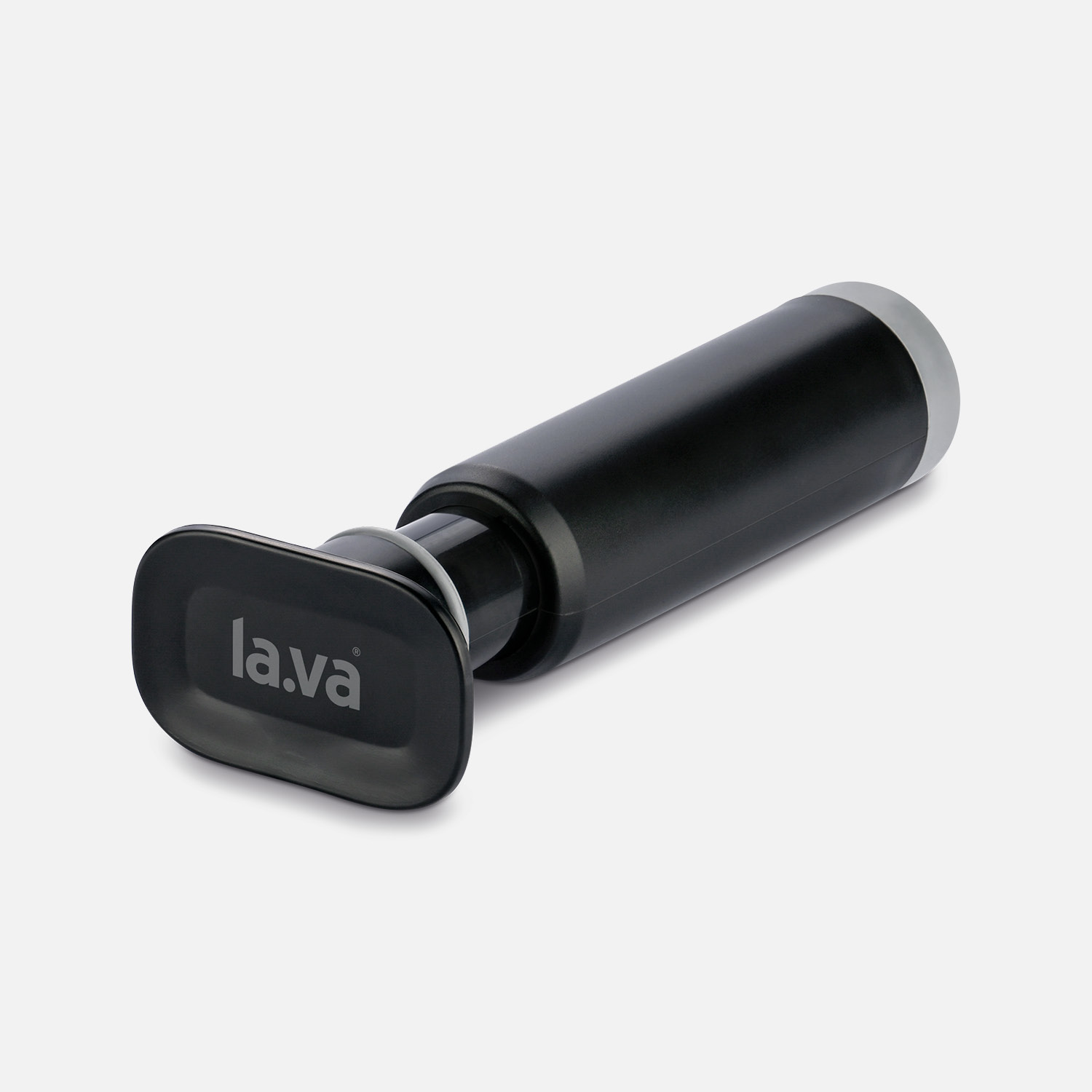
First, pour the marinade into the container and then place the food to be barbecued inside. Make sure the pieces are covered as evenly as possible with the marinade. Then put the lid on and vacuum-seal the container using the manual hand pump, the electric hand pump or a vacuum sealer.
The marinated food can then be placed in the fridge for a short while and is ready for grilling after just a few minutes.
Recipe inspiration: Steak marinade
This robust garlic and herb marinade goes particularly well with
beef, pork or lamb.
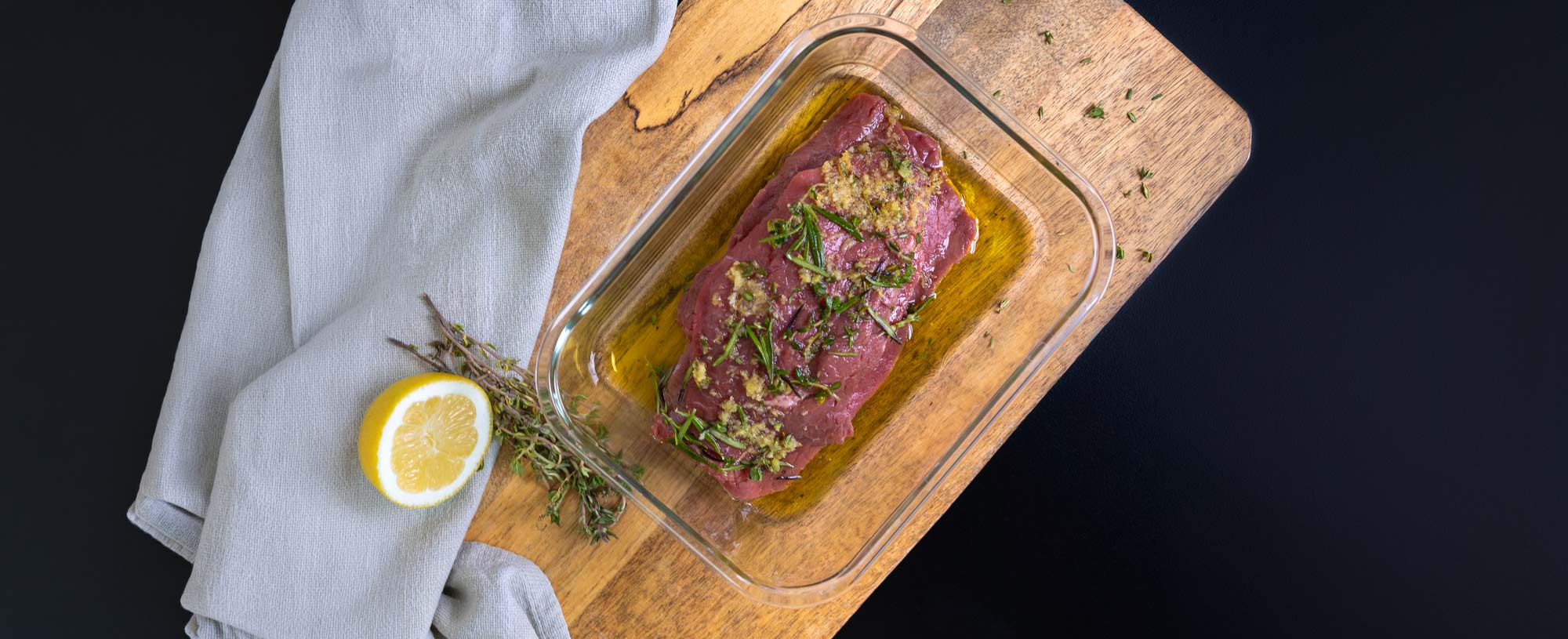
Ingredients
4 tbsp olive oil
3 cloves of garlic
1 tsp coarsely ground pepper
Rosemary and thyme
Salt and pepper to taste
Preparation
Finely chop or crush the garlic. Mix with olive oil, coarsely ground pepper, rosemary and thyme. Place the steak and the marinade in a vacuum bag or container and seal under vacuum. Leave to marinate briefly, then gently wipe off any excess marinade before grilling.
Tip: Depending on your taste, salt can be added directly to the marinade or sprinkled onto the meat just before grilling.
Recipe inspiration: Marinade for vegetables
This balsamic and honey marinade goes perfectly with peppers, courgettes, aubergines, mushrooms, red onions and other grilled vegetables.
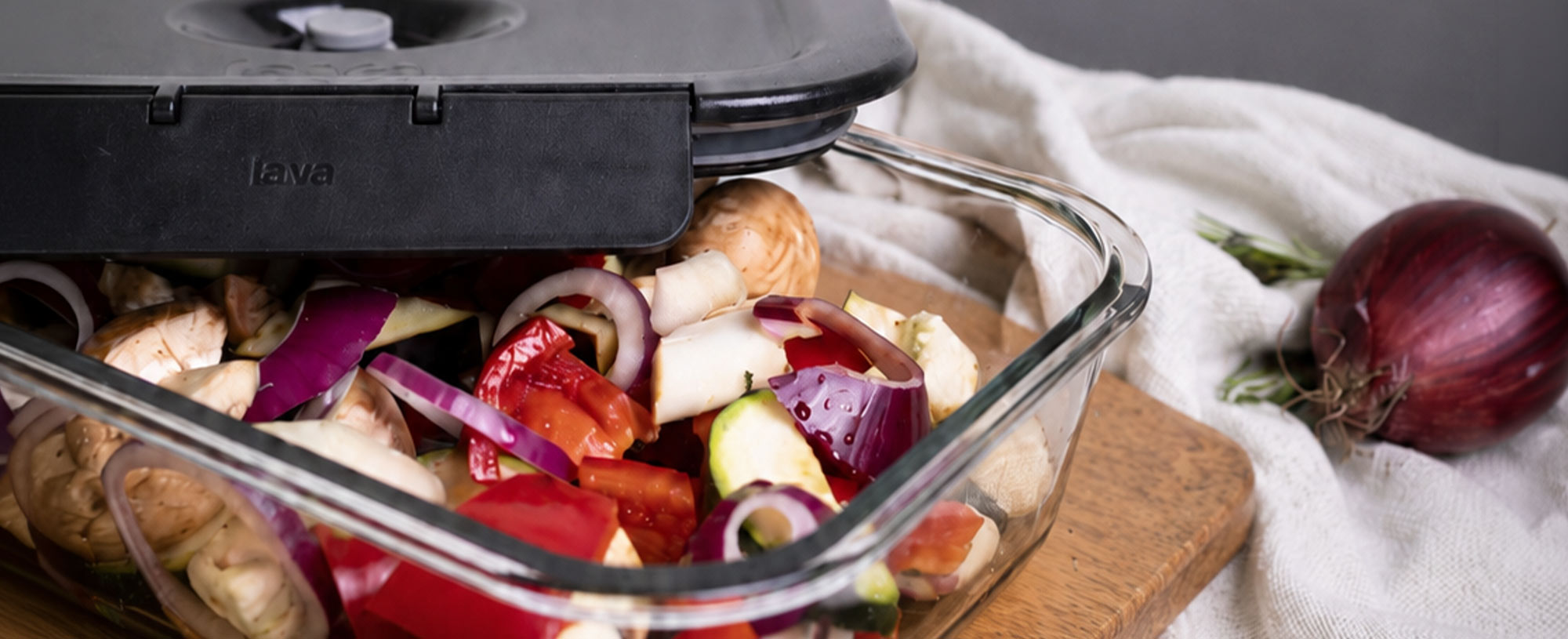
Ingredients
3 tbsp olive oil
2 tbsp balsamic vinegar
1 tbsp honey
Salt and pepper
Preparation
Mix together the olive oil, balsamic vinegar and honey. Season to taste with salt and pepper. Cut the vegetables into bite-sized pieces, place them in a vacuum container with the marinade and seal under vacuum. After a short marinating time, the vegetables are ready to be cooked on the barbecue, in a frying pan or in the oven.
Tip: Fresh herbs such as rosemary, thyme or basil add extra flavour to the vegetable marinade.
Conclusion: Vacuum marinating saves time and enhances flavour
Vacuum marinating is ideal for anyone who wants to prepare meat, fish, vegetables or cheese quickly and flavourfully. Whether it’s steak with a garlic and herb marinade or grilled vegetables with a balsamic and honey marinade, vacuum marinating makes the process quicker, more even and more intense.
Our product recommendations
Related products
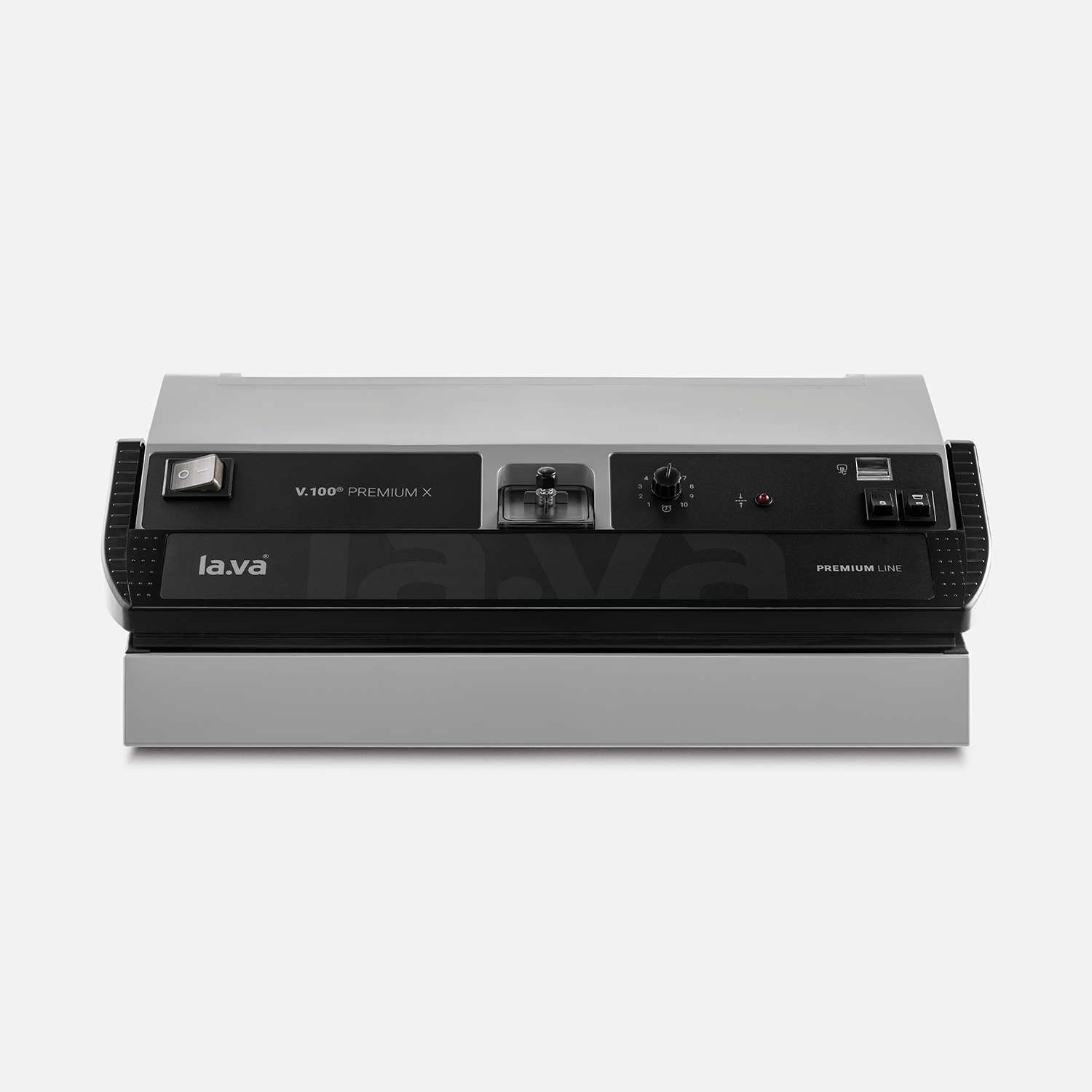
€319.00
incl. VAT
+€70 starter kit
+€70 starter kit

€449.00
incl. VAT
+€70 starter kit
+€70 starter kit
.svg)
.svg)

